
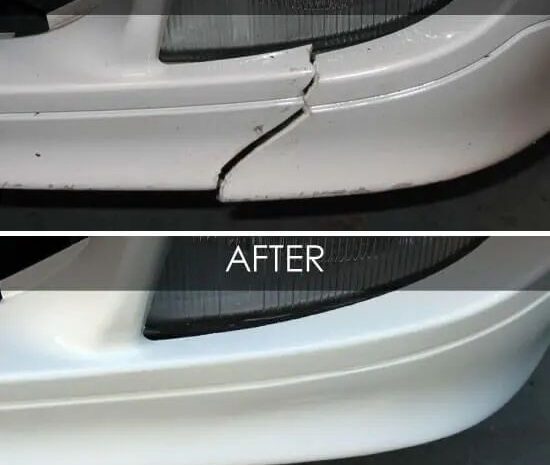
Panel Beater Sydney: How to Tell If Your Car Has Been Repaired Properly After an Accident
After an accident, most vehicle owners want the same thing: to get their car back looking right, driving right, and feeling safe again. But once the visible damage is fixed, an important question still remains — was the repair actually done properly?
This is where the quality of a panel beater in Sydney becomes so important.
A car can look acceptable at first glance and still have signs of poor workmanship underneath the surface. Uneven panel gaps, mismatched paint, poorly aligned bumpers, rough finishing, or hidden structural issues can all affect the appearance, safety, and long-term value of your vehicle. Many drivers only notice these problems days or weeks later, after the repair has already been completed.
That is why choosing an experienced repairer matters. A professional panel beater does more than remove dents or replace damaged parts. They restore the bodywork with precision, ensure the repaired areas align correctly, and help bring the vehicle back to its pre-accident condition as closely as possible.
For Sydney drivers, knowing how to judge a quality repair can make a major difference. Whether your vehicle has had a minor bumper impact, a damaged door, a dented quarter panel, or more significant collision damage, understanding what proper repair work should look like helps you make better decisions and avoid disappointment later.
In this guide, we explain what panel beating involves, why repair quality matters, and how to tell if your car has been repaired properly after an accident.
What does a panel beater do?
A panel beater repairs damage to the body of a vehicle after an accident, collision, or impact. This can include straightening panels, repairing dents, replacing damaged body parts, restoring alignment, and preparing the vehicle for refinishing and paintwork.
Panel beating is a critical part of accident repair because the exterior body of the car is not just cosmetic. Body panels affect how the car looks, how parts fit together, and in some cases how components sit and function around doors, lights, bumpers, guards, and the boot.
A skilled panel beater in Sydney should be able to assess damage accurately and decide whether a panel can be repaired, reshaped, or should be replaced. They should also understand how the repaired area needs to integrate with the rest of the vehicle so the final result looks consistent, professional, and structurally sound.
Why proper accident repairs matter
After a collision, many people focus only on visible appearance. They want the dent gone, the scratches repainted, and the car looking clean again. But proper repairs go beyond surface looks.
A high-quality repair should aim to restore:
- panel shape and alignment
- proper fitting of doors, bonnet, boot, and bumper
- paint finish and colour consistency
- overall presentation of the vehicle
- confidence in the condition of the repaired area
If the work is rushed or poorly done, the result may affect the car in several ways. It may be visually obvious, reduce resale appeal, create ongoing fitment issues, or leave the owner wondering whether the job was completed to a proper standard.
That is why quality matters so much. The best repair is not simply the one that hides the damage for a few days. It is the one that restores the car properly and stands up over time.
1. Check the panel gaps
One of the clearest signs of quality panel work is panel alignment.
After a vehicle has been repaired, the spacing between adjoining panels should look even and natural. Look closely at the gaps around:
- doors
- bonnet
- boot
- front guards
- rear quarter panels
- bumper edges
- headlights and tail lights
If one side sits tighter than the other, or if the gap widens and narrows unevenly, that can be a sign the repair was not completed with enough precision.
Poor panel gaps are often easy to notice once you know what to look for. A well-repaired car should not look twisted, forced, or slightly off. The lines of the body should flow consistently from one panel to the next.
For any panel beater Sydney job, this is one of the first things customers should inspect.
2. Look at the paint match in natural light
Paint matching is one of the biggest indicators of repair quality.
A poor colour match can make even a structurally sound repair look cheap or incomplete. The repaired area may appear darker, lighter, flatter, or glossier than the surrounding panels. Metallic and pearl finishes are especially difficult to match well.
When checking the paintwork, do not rely only on indoor workshop lighting. View the vehicle outside or in bright natural light if possible. Walk around the car and look at the repaired area from different angles.
Watch for:
- colour mismatch
- inconsistent metallic effect
- uneven gloss
- visible blending lines
- overspray on trims or mouldings
A professional repair should blend naturally with the rest of the vehicle. If the repainted section stands out immediately, the finish may not have been done to a high standard.
3. Check reflections across the repaired area
This is a simple but powerful test.
Stand near the repaired section and look at how light reflects across the surface. On a quality repair, reflections should appear smooth and even. On a poor repair, you may notice slight waves, ripples, distortion, or unevenness in the panel.
This matters because a car panel may look fine from a distance but reveal flaws when reflections hit it. Uneven reflections often indicate that the panel was not finished properly before painting, or that the underlying shape was not restored accurately.
This is especially useful for checking:
- doors
- quarter panels
- guards
- bonnet repairs
- larger side-impact areas
A professional panel beater understands that straightness is not just about shape by touch. It is also about how the surface reads visually once light hits it.
4. Test the doors, bonnet, and boot
A proper accident repair should not leave you struggling to open or close parts of the car.
After a repair, check whether the doors open and shut smoothly. Do the same with the bonnet and boot. These should feel normal, aligned, and secure.
Warning signs include:
- doors that need extra force
- rubbing or catching edges
- bonnet sitting unevenly
- boot not closing flush
- hinges or latches feeling strained
Sometimes this kind of issue appears after accident repairs when the exterior looks acceptable but the fitment has not been corrected properly. That can affect both convenience and long-term wear.
5. Inspect the bumper fitment
Bumpers are one of the most commonly repaired or replaced parts after an accident, and they are also one of the easiest areas to spot poor workmanship.
Check whether the bumper:
- sits flush with surrounding panels
- aligns properly with guards and lights
- feels secure and clipped in correctly
- has even spacing on both sides
- does not sag, bow out, or sit proud
A poorly fitted bumper can make the whole front or rear of the car look off. In some cases, it can also indicate that the supporting repair work underneath was not completed properly.
A skilled panel beater in Sydney should deliver bumper alignment that looks natural and integrated with the rest of the vehicle.
6. Look for signs of rushed finishing
Even if the major repair work has been completed, rushed finishing can ruin the final result.
Inspect the repaired area closely for:
- sanding marks under paint
- rough texture
- dust in the finish
- paint edges that feel harsh or abrupt
- overspray on rubber trims, glass, or plastic
- poorly refitted clips or mouldings
These details matter because they show the level of care taken during the final stages of repair. A quality workshop pays attention not only to fixing the damage, but to how the finished vehicle is presented back to the customer.
A proper repair should feel complete, not hurried.
7. Compare both sides of the car
One of the easiest ways to judge a repair is to compare the repaired side to the undamaged side.
Look at:
- panel gaps
- body lines
- paint tone
- bumper positioning
- light fitment
- trim alignment
The undamaged side gives you a reference point. If something looks noticeably different on the repaired side, there is usually a reason.
This comparison is especially helpful for side-impact repairs, front corner damage, and rear quarter repairs.
8. Make sure the body lines flow correctly
Modern vehicles are designed with precise body lines, creases, curves, and contours. After a repair, those lines should continue naturally through the repaired section.
If a crease appears softer, sharper, or broken where it should flow smoothly, that may indicate the panel was not restored accurately.
This is where a professional panel beater stands out. Quality panel work is not just about making a dent disappear. It is about restoring the original shape and style of the vehicle so the repair does not draw attention.
9. Listen for rattles or looseness after collection
Not all repair issues are visible immediately.
After picking up the car, pay attention while driving. Listen for:
- interior trim rattles near the repaired area
- loose bumper sounds
- panel vibration
- unusual rubbing or knocking
These signs may indicate that something was not secured correctly during reassembly. While not every sound means major trouble, any new noise after a repair should be checked.
Good accident repair work should not leave the vehicle feeling unfinished.
10. Consider how the repair looks as a whole
Sometimes the best test is the simplest one: does the repaired car look right overall?
A quality repair should not make you focus on one part of the car. It should restore the vehicle so that everything appears consistent, balanced, and natural.
Ask yourself:
- Does anything stand out immediately?
- Does one panel look newer or different?
- Do the repaired parts blend into the car properly?
- Would someone else easily notice the repaired area?
If the answer raises doubt, the job may not have been done to the highest standard.
Why experience matters in panel beating
Panel beating is not just labour. It is skilled repair work that relies on judgment, precision, and attention to detail.
An experienced repairer is more likely to:
- identify hidden issues early
- restore body lines accurately
- align panels correctly
- understand when repair or replacement is better
- prepare surfaces properly before paint
- produce a cleaner, more natural result
For vehicle owners, this often means fewer visible flaws, fewer callbacks, and more confidence after the repair is complete.
That is why choosing an established workshop matters. A professional panel beater Sydney business should not only repair damage, but also guide customers through the process with clarity and confidence.
How to choose the right panel beater in Sydney
If you are deciding where to take your car after an accident, look for a repairer that offers:
- clear communication
- professional assessment of damage
- strong reputation for quality work
- careful attention to panel alignment and finish
- experience with accident repairs and refinishing
- confidence in explaining the repair process
Do not choose based on speed or price alone. The cheapest option is not always the best value if the repair is obvious, incomplete, or disappointing later.
A good panel beater should make you feel that your vehicle is in capable hands.
Final thoughts
After an accident, it is natural to focus on getting your vehicle repaired as quickly as possible. But speed should never come at the cost of quality.
The real sign of a proper repair is not just that the damage is less visible. It is that the vehicle looks right, fits right, and feels right once the work is done. Even panel gaps, smooth reflections, accurate paint matching, correct bumper alignment, and clean finishing are all signs that the repair has been handled professionally.
For Sydney drivers, knowing what to look for can help you make a better choice and avoid the disappointment of poor workmanship.
A well-repaired car should restore confidence, not create doubts. And that is exactly why choosing the right panel beater in Sydney matters.
If you need professional accident repair and bodywork, choose a workshop that values precision, finish quality, and attention to detail at every stage of the job.
Blacktown City Smash Repairs
📍 200 Sunnyholt Rd, Blacktown NSW 2148
📞 24/7 Emergency Call: 0432 166 356
Frequently Asked Questions
What does a panel beater do after an accident?
A panel beater repairs damaged vehicle body panels, restores alignment, removes dents, replaces damaged sections where needed, and prepares the vehicle for refinishing and paintwork.
How can I tell if my car has been repaired properly?
Check the panel gaps, paint match, reflections, bumper alignment, door fitment, and overall finish. A quality repair should look consistent and natural from all angles.
Why are panel gaps important after an accident repair?
Uneven panel gaps often indicate poor alignment or imprecise fitting. A proper repair should have even, natural spacing between adjoining panels.
Is paint matching really that important?
Yes. Poor paint matching is one of the easiest ways to spot a low-quality repair. A professional finish should blend smoothly with the rest of the vehicle.
What should I check when collecting my car from a repairer?
Inspect the repaired area in good light, test the doors and boot, check bumper fitment, look for overspray or rough finishing, and compare the repaired side to the undamaged side.
Can a repair look fine at first but still be poor quality?
Yes. Some flaws only show up later, especially in natural light or while driving. That is why it helps to inspect the car carefully and pay attention after collection.
Should I choose a panel beater based only on price?
No. Price matters, but repair quality, finish, and long-term confidence matter more. A cheaper repair that looks obvious or causes issues later is not good value.
Why choose a local panel beater in Sydney?
A local repairer gives you easier access, better accountability, and clearer communication. It also makes follow-up support more convenient if needed.